
The direct-to-customer (DTC) market is projected to grow from $319.57 billion in 2026 to $639.15 billion by 2035, showing how quickly brands are shifting toward direct consumer relationships.
But growth is no longer easy to sustain. Many DTC brands depend on performance channels like paid search, paid social, and influencer campaigns to drive revenue. These tactics can deliver quick wins, but rising customer acquisition costs, platform changes, and intense competition make profitability harder to protect. Brands that rely only on paid media risk weak customer loyalty and limited long-term demand.
This guide breaks down the DTC marketing strategies that help brands move beyond short-term performance and build stronger brand growth, better retention, and more sustainable revenue through effective DTC marketing services.
What Is DTC Marketing?
DTC marketing (direct-to-consumer marketing) is the practice of promoting and selling products directly to customers without retailers, wholesalers, or other intermediaries. Because DTC eCommerce brands control the entire customer journey, they have direct access to customer data, purchase behavior, and feedback. These insights support more effective acquisition, retention, and customer lifetime value strategies.
How Does DTC Marketing Work?
DTC brands use digital channels to attract, convert, and retain customers. Rather than depend on third-party retailers, they control the customer relationship from the first interaction to long-term loyalty.
Common DTC marketing channels include:
- Paid search advertising (Google Ads, Microsoft Ads) to capture high-intent shoppers.
- Social media marketing (Meta Ads, TikTok Ads, Pinterest Ads, YouTube Ads) to build awareness and drive conversions.
- Email and SMS marketing to nurture customers, recover abandoned carts, and increase repeat purchases.
- Content marketing to educate audiences and build trust.
- Influencer marketing to expand reach and credibility through creators.
- Affiliate marketing to generate sales through trusted partners.
- Search engine optimization (SEO) to attract qualified organic traffic and support long-term growth.
Many successful DTC brands combine these channels to create a scalable acquisition and retention strategy. At VIDEN Growth, we’ve seen this approach drive growth for eCommerce and DTC brands across industries. View our case studies to see how brands have scaled through paid media, analytics, and conversion optimization.
Why Is DTC Marketing Important?
DTC marketing gives brands greater control over the customer experience while reducing dependence on third-party sales channels. It also enables stronger customer relationships, more effective personalization, and higher customer lifetime value. For this reason, many high-growth brands use DTC marketing to balance customer acquisition with long-term brand growth.
DTC Marketing vs. Traditional Retail Marketing
The main difference between DTC marketing and traditional retail marketing is that DTC brands sell directly to consumers, while traditional brands rely on retailers and other intermediaries. As a result, DTC eCommerce brands have more control over customer relationships, data, and the overall customer experience.
In a traditional retail model, brands sell products through wholesalers, distributors, or retailers. This approach can increase market reach, but it often limits direct access to customer data and customer relationships.
DTC marketing, also known as D2C marketing, removes intermediaries and allows brands to sell directly to consumers through channels such as websites, mobile apps, and social commerce platforms. This direct relationship gives brands greater control over the customer journey, brand messaging, and customer data.
The table below highlights the key differences between DTC Marketing and traditional retail marketing.
| DTC Marketing | Traditional Retail Marketing |
| Direct relationship with customers | Relationship owned by retailers |
| Access to first-party customer data | Limited customer data access |
| Full control over brand experience | Shared control with retail partners |
| Higher personalization opportunities | Less personalization |
| Greater profit margin potential | Revenue shared across intermediaries |
Why DTC Brands Need More Than Performance Marketing
DTC eCommerce brands need more than performance marketing because rising acquisition costs, privacy changes, paid media dependence, and customer retention challenges can limit long-term growth. Sustainable growth and brand growth require a combination of DTC advertising, customer retention, first-party data, and profitable business growth strategies that support long-term value creation.
1. Rising Customer Acquisition Costs (CAC)
Customer acquisition costs remain one of the biggest challenges for DTC eCommerce brands. According to customer acquisition cost research compiled by Amra & Elma, CAC has increased by 222% over the past eight years. This trend makes profitable growth more difficult for brands that rely heavily on paid acquisition.
As acquisition costs rise, brands that depend solely on performance marketing often face pressure on margins and profitability. This challenge is one of the main reasons companies invest in retention, loyalty, content, and brand building to support sustainable growth.
2. Measurement and Attribution Challenges
Customer journeys now span multiple devices, channels, and platforms, which makes attribution more complex than in previous years. Limited visibility into the path to purchase can make campaign performance more difficult to measure and encourage brands to diversify their marketing efforts beyond a single channel.
3. Dependence on Paid Media
Performance campaigns can generate immediate traffic and sales, but results often decline when advertising budgets decrease. Brands that depend too heavily on paid acquisition may struggle to sustain growth, making a broader D2C marketing strategy important for long-term success.
4. Customer Loyalty and Retention
Customer acquisition drives growth, but retention drives profitability. Brands with strong customer loyalty benefit from higher repeat purchase rates, lower acquisition costs, and greater lifetime value, which reduces pressure on DTC performance marketing campaigns.
5. Brand-Driven Demand Generation
Performance-focused paid media primarily captures existing demand, while brand marketing helps create new demand. Content, community building, customer advocacy, and brand campaigns increase awareness and strengthen brand preference, reducing reliance on direct-response advertising.
6. First-Party Data Ownership
DTC brands that collect and use first-party data can better understand customer behavior, personalize marketing campaigns, and reduce reliance on third-party tracking. As privacy regulations evolve, first-party data has become a critical component of any DTC marketing strategy.
Top DTC Marketing Strategies for Sustainable Growth
The most effective DTC marketing strategies focus on both short-term revenue and long-term brand growth. The strategies below help brands acquire customers, improve retention, and build sustainable competitive advantages.
1. Clear Brand Positioning
Brand positioning defines how customers perceive your brand and what makes it different from competitors. It serves as the foundation for every marketing initiative, from advertising campaigns to customer retention efforts.
Why it matters:
Without clear positioning, brands often compete on price, promotions, or increased ad spend rather than meaningful differentiation. A strong position helps customers understand why your brand deserves their attention and loyalty.
Questions every brand should answer:
- Who is the ideal customer?
- What problem does the brand solve?
- Why should customers choose this brand over competitors?
- What makes the brand memorable?
Brands with clear positioning typically achieve stronger brand recognition, higher customer loyalty, and more efficient marketing performance.
2. Customer Retention
Customer retention focuses on turning one-time buyers into repeat customers. While customer acquisition drives growth, retention often has a greater impact on long-term profitability.
Why it matters:
Acquiring new customers usually costs significantly more than retaining existing ones. Brands with high retention rates can generate more revenue from their existing customer base while reducing pressure on acquisition channels.
Effective retention tactics include:
- Loyalty and rewards programs
- Personalized email and SMS campaigns
- Subscription offerings
- Exceptional customer support
- Post-purchase engagement
Strong retention increases customer lifetime value and creates a more predictable revenue stream.
3. Acquisition Channel Diversification
Acquisition channel diversification reduces dependence on a single source of traffic or revenue. Instead of relying entirely on one platform, brands build a balanced mix of channels that support growth.
Why it matters:
Brands that depend on a single acquisition channel can see performance decline quickly when advertising costs rise, algorithms change, or platform policies shift. Diversification helps reduce risk and creates a more resilient growth strategy.
Common acquisition channels include:
- Paid search
- Social media advertising
- Search engine optimization (SEO)
- Influencer partnerships
- Affiliate marketing
- Referral programs
A diversified channel mix helps brands reach customers at different stages of the buying journey while maintaining more stable growth.
4. Content and Organic Growth
Content marketing helps brands educate, engage, and attract potential customers throughout the customer journey. Unlike paid advertising, quality content can continue generating traffic and leads long after publication.
Why it matters:
Many customers research products before making a purchase. Helpful content builds trust, answers questions, and positions a brand as a credible source of information.
Examples of valuable content include:
- Blog articles
- Buying guides
- Product comparison pages
- Educational videos
- Email newsletters
- User-generated content
A strong content strategy can improve organic visibility, strengthen brand authority, and lower customer acquisition costs over time.
5. First-Party Data Ownership
First-party data consists of information collected directly from customers through owned channels such as websites, apps, email subscriptions, and purchase histories.
Why it matters:
As privacy regulations evolve and third-party tracking becomes less reliable, first-party data gives brands a more accurate understanding of customer behavior and preferences.
Key benefits of first-party data include:
- More personalized customer experiences
- Better audience segmentation
- More accurate customer insights
- Improved campaign performance
- Greater control over customer relationships
Brands that effectively use first-party data can make better decisions while reducing reliance on external platforms.
6. Customer Community Development
Customer communities create opportunities for people to connect with a brand beyond individual purchases. These communities often form around shared interests, values, or experiences.
Why it matters:
Customers who feel connected to a brand are more likely to remain loyal, recommend products to others, and engage with brand content. Community can become a powerful driver of organic growth.
Ways to build a customer community include:
- Social media groups
- Brand ambassador programs
- Customer events
- Online forums
- User-generated content initiatives
Strong communities strengthen customer relationships and amplify word-of-mouth marketing.
7. Brand and Performance Integration
Brand marketing and performance marketing work best when they support one another. One builds awareness and preference, while the other converts demand into measurable business results.
Why it matters:
Many brands treat performance marketing as a growth engine and brand marketing as a separate initiative. In reality, the strongest results occur when both functions work toward the same business goals.
Benefits of integration include:
- Stronger marketing efficiency
- Improved customer trust
- Higher conversion rates
- Better long-term growth potential
- Reduced dependence on paid acquisition
Brands that successfully integrate brand and performance efforts are often better positioned to achieve sustainable growth and maintain a competitive advantage.
Successful DTC Marketing Examples
These DTC brands demonstrate how effective marketing strategies support long-term growth.
1. Gymshark
Gymshark became one of the world’s leading fitness apparel brands by building a strong community around creators, athletes, and fitness enthusiasts. Instead of relying solely on paid advertising, the company invested heavily in influencer partnerships, social media engagement, and brand advocacy programs.
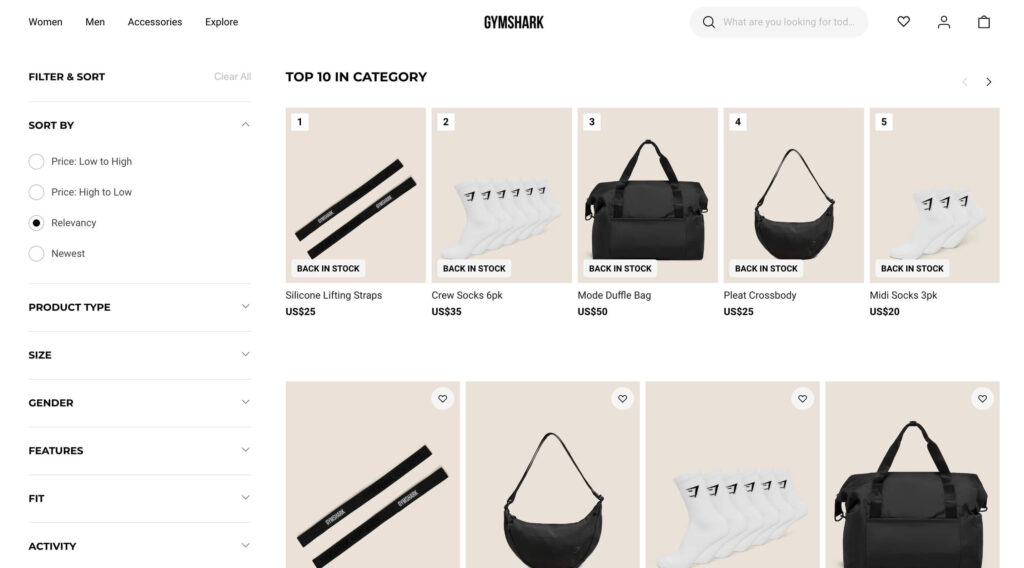
Key DTC strategy: Community building and creator partnerships.
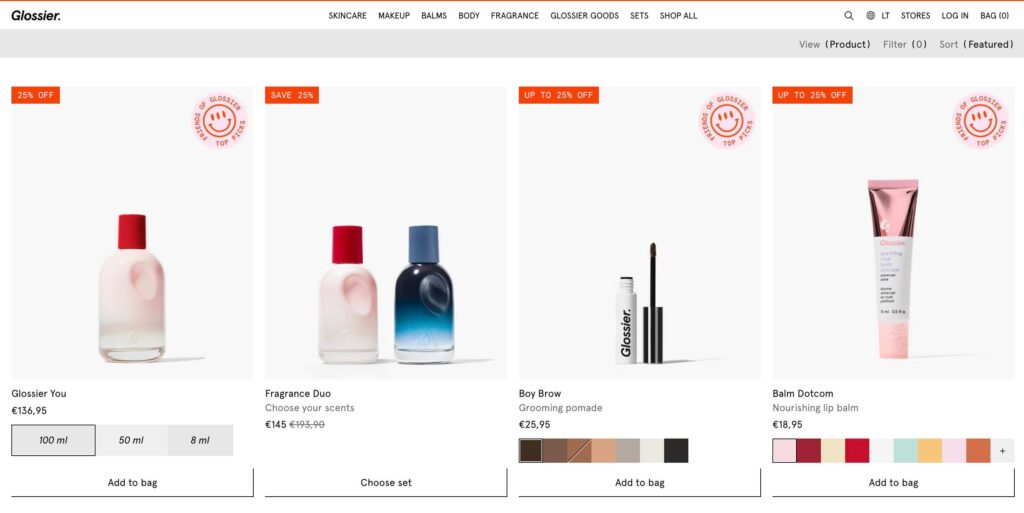
2. Glossier
Glossier built its growth strategy around customer feedback and community engagement. By encouraging user-generated content and listening closely to its audience, the brand created products and marketing campaigns that resonated with customers and strengthened loyalty.
Key DTC strategy: Customer-centric marketing and first-party data.
3. Warby Parker
Warby Parker disrupted the eyewear industry by selling directly to consumers and controlling the entire customer experience. Its Home Try-On program helped reduce purchase friction, while direct customer relationships enabled the brand to collect valuable data and improve personalization.
Key DTC strategy: Customer experience optimization and first-party data ownership.

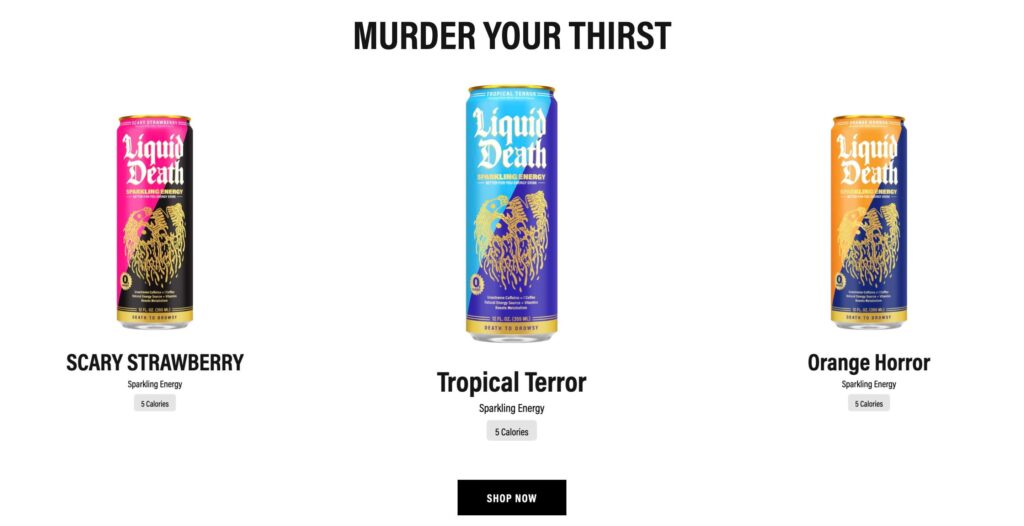
4. Liquid Death
Liquid Death transformed canned water into a recognizable lifestyle brand through bold positioning and creative marketing. Rather than competing primarily on product features, the company focused on building brand awareness and creating demand through distinctive content and messaging.
Key DTC strategy: Brand building and demand generation.
Common DTC Marketing Mistakes to Avoid
Even the strongest brands can limit growth by making a few common marketing mistakes. The table below highlights the challenges that frequently prevent DTC companies from scaling efficiently and outlines practical ways to address them.
| Mistake | Why It Hurts Growth | How to Avoid It |
| Overreliance on Paid Advertising | Creates dependence on advertising budgets, platform performance, and rising acquisition costs. | Invest in retention, content marketing, SEO, community building, and other channels that support long-term growth. |
| Neglecting Customer Retention | Increases acquisition costs and limits customer lifetime value. | Develop loyalty programs, personalized communication, and post-purchase engagement strategies. |
| Weak Brand Differentiation | Makes it difficult to compete without discounts or promotions. | Establish clear brand positioning and communicate a unique value proposition consistently. |
| Ignoring First-Party Data | Limits customer insights, personalization, and campaign optimization. | Collect and activate customer data across owned channels such as websites, email, and loyalty programs. |
| Separating Brand and Performance Marketing | Creates inconsistent messaging and reduces marketing efficiency. | Align brand-building and performance efforts under a shared growth strategy. |
While these mistakes are common, they are also avoidable. Brands that balance acquisition with retention, combine performance marketing with brand building, and use customer data effectively are often better positioned to achieve sustainable growth and maintain a competitive advantage.
Key DTC Marketing Metrics to Track
The most important DTC marketing metrics include Customer Acquisition Cost (CAC), Customer Lifetime Value (CLV), Customer Retention Rate, Return on Ad Spend (ROAS), and Conversion Rate. Together, these metrics help brands evaluate acquisition efficiency, customer loyalty, and overall profitability.
Acquisition Metrics
- Customer Acquisition Cost (CAC): Measures the average cost of acquiring a new customer. Monitoring CAC helps brands understand whether their acquisition efforts remain sustainable as competition and advertising costs increase.
- New Customer CPA: Measures the cost of acquiring a first-time customer. Unlike general CPA, this metric focuses specifically on net-new customer acquisition, helping brands evaluate the efficiency of growth-focused campaigns and avoid overinvesting in repeat purchases.
- Return on Ad Spend (ROAS): Compares advertising revenue to advertising costs. This metric helps evaluate the effectiveness of paid campaigns and identify opportunities to improve marketing efficiency.
- Conversion Rate: Measures the percentage of visitors who complete a desired action, such as making a purchase. A strong conversion rate often indicates effective messaging, user experience, and product-market fit.
- LTV:CAC Ratio: Compares customer lifetime value (LTV) to customer acquisition cost (CAC). This benchmark helps brands determine whether customer acquisition is profitable over the long term. While targets vary by industry, many DTC brands aim for an LTV:CAC ratio of 3:1 or higher, meaning they generate at least three dollars in lifetime revenue for every dollar spent acquiring a customer.
Retention Metrics
- Customer Retention Rate: Tracks the percentage of customers who continue purchasing from a brand over a specific period. High retention rates often signal customer satisfaction and long-term loyalty.
- Repeat Purchase Rate: Measures how often existing customers return to make additional purchases. This metric helps brands evaluate the effectiveness of retention and loyalty initiatives.
- Churn Rate: Tracks the percentage of customers who stop purchasing or cancel subscriptions during a given period. Lower churn rates typically contribute to stronger long-term growth.
Revenue Metrics
- Customer Lifetime Value (CLV): Estimates the total revenue a customer generates throughout their relationship with a brand. Many DTC companies use CLV to determine how much they can invest in customer acquisition while maintaining profitability.
- Average Order Value (AOV): Calculates the average amount customers spend per transaction. Increasing AOV can improve revenue without requiring additional customer acquisition.
Customer Experience Metrics
Net Promoter Score (NPS): Measures customer satisfaction and willingness to recommend a brand to others. High NPS scores often correlate with stronger customer loyalty and word-of-mouth growth.
From Performance to Long-Term Growth
Sustainable DTC growth requires more than efficient customer acquisition. While performance marketing remains an important growth driver, long term success depends on a strategy that also prioritizes brand positioning, customer retention, first party data, and customer loyalty.
The most successful brands understand that profitable growth comes from balancing immediate results with long term brand building. By investing in both, companies can strengthen customer relationships, improve profitability, and create a more resilient business.
Ready to scale your DTC brand? Partner with VIDEN Growth to develop a strategy that drives measurable results today and sustainable growth for years to come.
FAQ
A DTC Marketing Strategy is a plan that helps brands acquire, retain, and grow customers without relying on third party retailers or intermediaries. Effective strategies typically combine customer acquisition, retention, brand positioning, content marketing, and first party data to support long term growth.
The best way to grow a DTC brand is through Meta Ads and Google Ads supported by strong conversion rates and high customer lifetime value (LTV). Brands that control CAC, maintain profitable ROAS, and retain customers can scale more efficiently.
The most important DTC marketing metrics include Customer Acquisition Cost (CAC), Customer Lifetime Value (CLV), Return on Ad Spend (ROAS), Conversion Rate, Customer Retention Rate, and Average Order Value (AOV). These metrics help brands measure acquisition efficiency, customer loyalty, and long-term profitability.
Brands can reduce dependence on paid advertising by investing in customer retention, content marketing, search engine optimization (SEO), community building, and first party data. A diversified growth strategy creates additional sources of traffic and revenue while improving long term marketing efficiency.